As the 2026 tax season begins, millions of Americans are getting ready to file their federal income tax returns for the 2025 tax year. For many families, a tax refund is not just extra cash. It often helps cover rent, school expenses, insurance payments, medical bills, or debt from the holiday season. Because refunds are so important to household budgets, understanding how the process works in 2026 can help reduce stress and confusion.
When the IRS Starts Processing Returns
The Internal Revenue Service is expected to start accepting and processing tax returns in the last week of January 2026. Even though tax software may allow people to prepare returns earlier, refunds will not be issued until the IRS officially opens its systems. The standard filing deadline remains April 15, 2026. Waiting until the deadline does not increase your refund and may actually slow things down due to high filing volume in April.
Why There Is No Fixed Refund Date
Unlike monthly government benefits, tax refunds do not follow a set payment schedule. Every tax return is reviewed separately. Because of this, the IRS does not publish a specific calendar showing refund dates. The time it takes to receive a refund depends on how the return is filed, whether the information is correct, and if extra review is required.

Fastest Way to Receive Your Refund
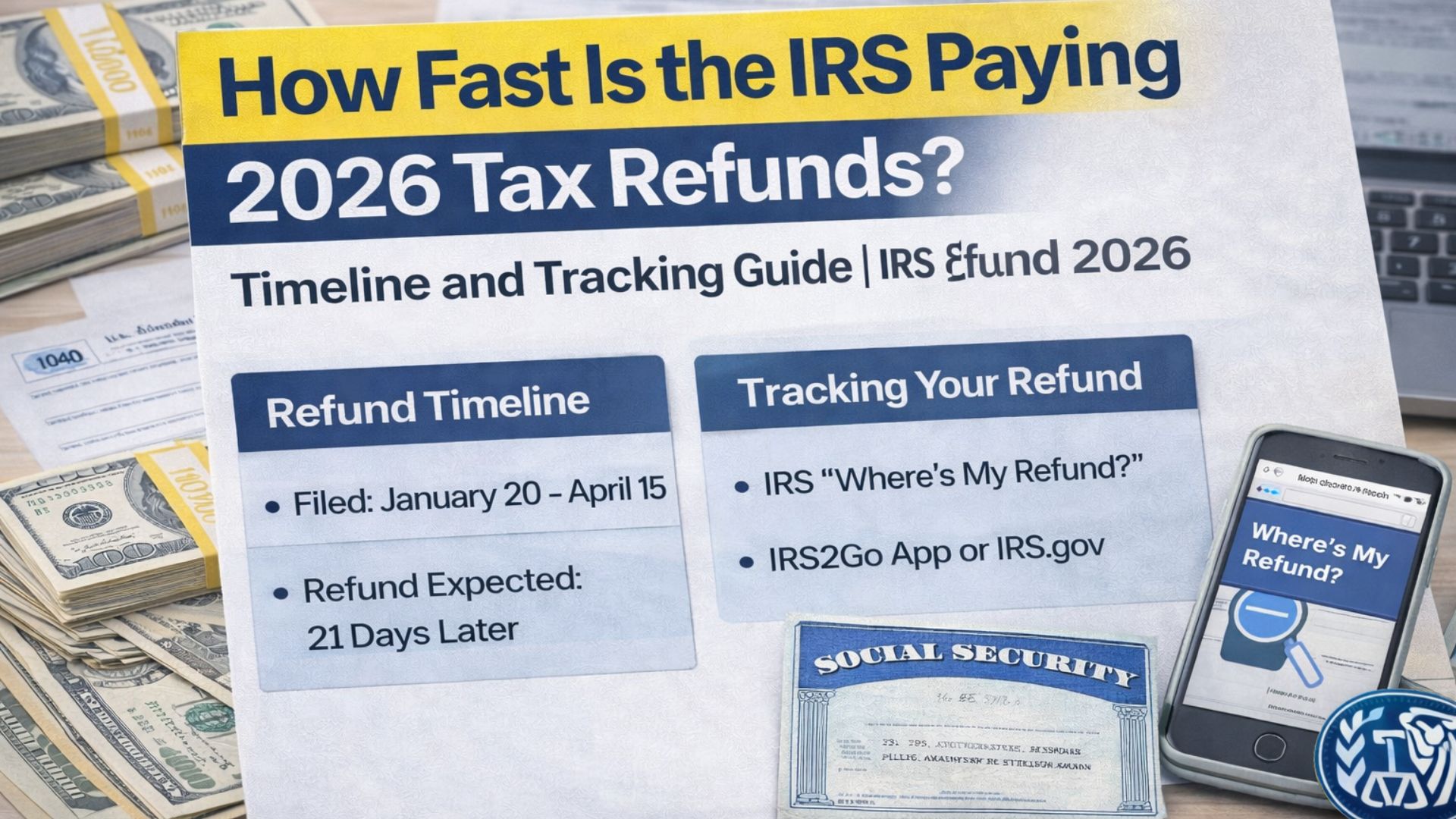
Filing electronically and choosing direct deposit remains the quickest method. Many taxpayers who use this option receive their refund within about 21 days after the return is accepted. However, this timeline is only an estimate. Paper returns and mailed refund checks usually take longer because they require manual processing and mailing time.
Common Reasons for Refund Delays
Even early filers may experience delays. Mistakes such as incorrect Social Security numbers, missing income forms, or mismatched records can lead to additional review. These reviews are designed to prevent fraud and protect taxpayers. Returns that claim the Earned Income Tax Credit or the Additional Child Tax Credit are required by law to undergo extra checks, which means those refunds are often not released until late February or later.
How to Track Your Refund
The IRS “Where’s My Refund?” tool is the safest way to check your refund status. Updates typically appear within 24 hours for electronically filed returns. The tool shows three stages: received, approved, and sent. After a refund is marked as sent, banks may still take one or two business days to post the deposit.

Final Thoughts
Tax refunds remain an essential part of many household budgets. While exact payment dates cannot be guaranteed, filing electronically, choosing direct deposit, and reviewing information carefully can help ensure a smoother process in 2026.
Disclaimer: This article is for informational purposes only and does not provide tax, legal, or financial advice. IRS rules, timelines, and refund amounts may change and vary based on individual circumstances. Readers should consult official IRS resources or a qualified tax professional for personalized guidance.