As the 2026 tax season draws near, many Americans are preparing to submit their federal income tax returns. One of the most common concerns each year is when refunds will arrive and how large they might be. Although the government does not assign fixed refund dates to individual taxpayers, past processing patterns provide a reliable guide for what most people can expect.
How Your Tax Refund Is Calculated
A tax refund represents the difference between the total federal income tax you paid during the year and the amount you actually owed. If more money was withheld from your paycheck than necessary, the extra amount is returned to you after you file your return. The final refund amount depends on several factors, including your annual income, tax withholding, deductions, and eligibility for credits such as the Child Tax Credit, Earned Income Tax Credit, or education credits. Adjustments to tax brackets and withholding rules for 2026 may cause refund amounts to vary compared to prior years.
When the IRS Will Begin Processing Returns
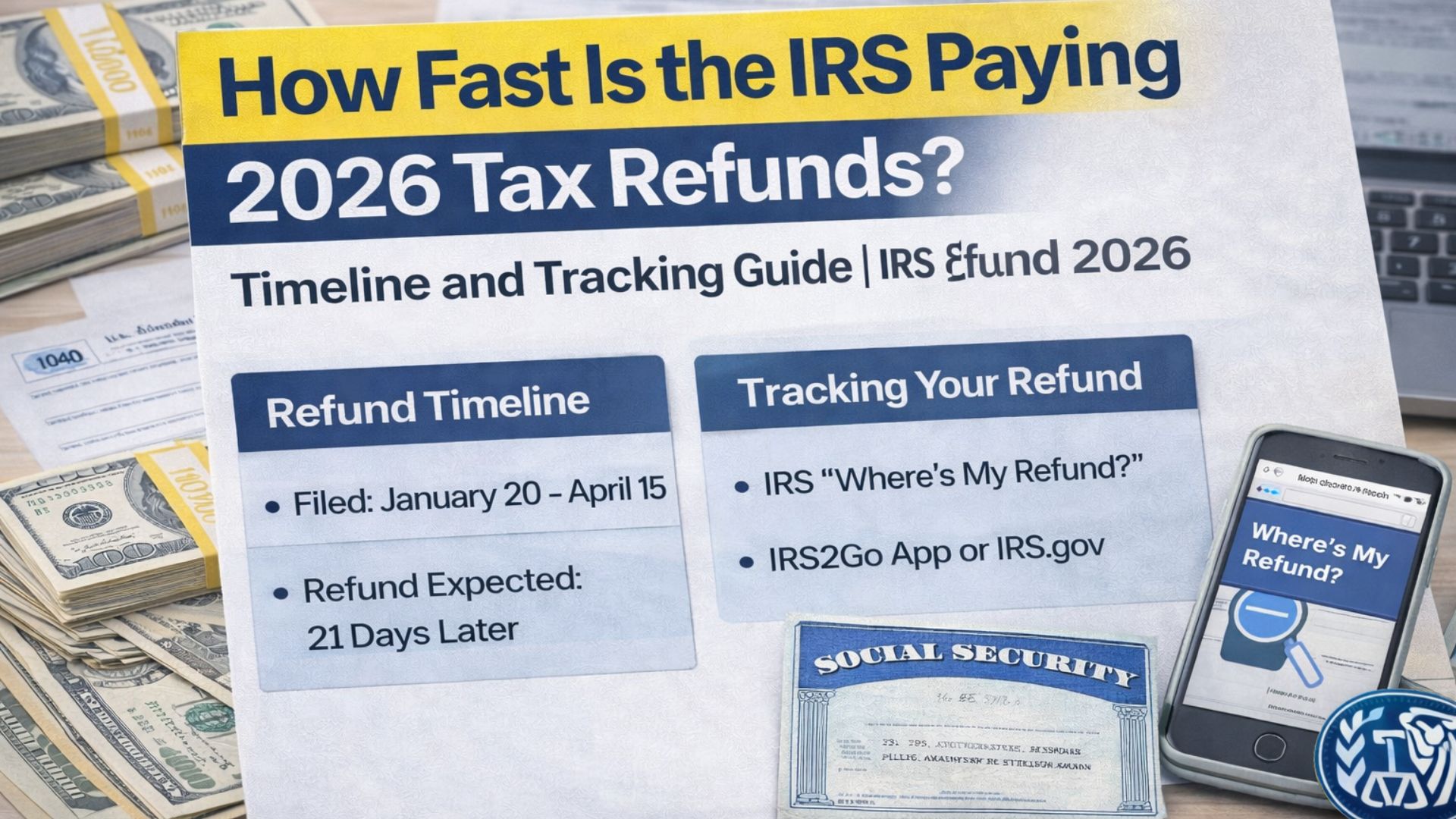
The Internal Revenue Service is expected to begin accepting 2025 tax year returns in late January 2026. Taxpayers who file soon after the filing window opens often receive refunds earlier than those who wait. Electronic filers who choose direct deposit frequently begin seeing refunds deposited between late January and early February.

Mid-February typically marks the busiest period for refund processing, as a high volume of electronic returns moves through the system. Refunds continue to be issued through March and into early April, particularly for later filers or returns that require additional verification. Those who file close to the April deadline or need to correct errors may receive refunds after the due date has passed.
Why Direct Deposit Speeds Up Payment
The method you select for receiving your refund significantly affects timing. Direct deposit is the fastest option and usually results in payment within two to three weeks after the IRS accepts a return. In contrast, paper checks require printing and mailing, which can extend the wait by several weeks.
Common Causes of Refund Delays
Certain issues may slow refund processing. Mistakes in personal information, missing income documents, or discrepancies between your return and IRS records can lead to extra review. Identity verification checks and heavy filing volumes during peak season may also cause delays. Filing early and reviewing all information carefully before submission helps reduce these risks.

Tracking Your Refund
After filing, taxpayers can monitor their refund status using official IRS tracking tools. These systems display updates once a return is received, approved, and paid. Electronic filers typically see updates within days, while mailed returns take longer to appear in the system.
Final Thoughts
The 2026 IRS refund timeline is expected to follow established patterns, with most payments issued between late January and April. Filing electronically, selecting direct deposit, and ensuring accuracy remain the most effective ways to receive your refund promptly.
Disclaimer: This article is for informational purposes only and does not provide tax, legal, or financial advice. IRS policies, timelines, and refund amounts may change and vary based on individual circumstances. Readers should consult official IRS resources or a qualified tax professional for personalized guidance.