As January 2026 gets closer, many Americans are reading headlines and social media posts that claim the IRS will send a $2,000 direct deposit to everyone. These messages have created excitement but also confusion. Families who depend on tax refunds to manage bills and expenses are especially concerned about whether this payment is real. With the cost of groceries, housing, and utilities still high, it is natural for people to hope for additional financial support. However, it is important to separate verified information from online rumors.
No Official $2,000 Payment Has Been Confirmed
There has been no official announcement from the Internal Revenue Service about a new $2,000 stimulus or automatic payment for January 2026. The IRS has not approved any program that guarantees a flat payment to all Americans. Government payments of this type require approval from Congress and formal public communication. At this time, no such law or official statement exists. Any claim suggesting that every taxpayer will automatically receive $2,000 is inaccurate.

Why the $2,000 Amount Keeps Appearing
The repeated mention of $2,000 is closely connected to normal tax refunds. During the early weeks of tax season, many taxpayers receive refunds near this amount. This often happens when too much federal tax was withheld from paychecks or when refundable credits increase the total refund. Over time, this common refund range has been misunderstood and shared online as if it were a guaranteed federal payment. In reality, refund amounts vary based on each person’s tax return.
How Refund Amounts Are Calculated

Tax refunds depend on several personal factors. These include total yearly income, filing status, number of dependents, deductions claimed, credits applied, and how much tax was paid during the year. When a taxpayer files a return, the IRS calculates whether too much tax was paid. If so, the difference is returned as a refund. There is no special form to apply for a $2,000 payment. The final amount depends entirely on individual tax details.
When to Expect a Refund
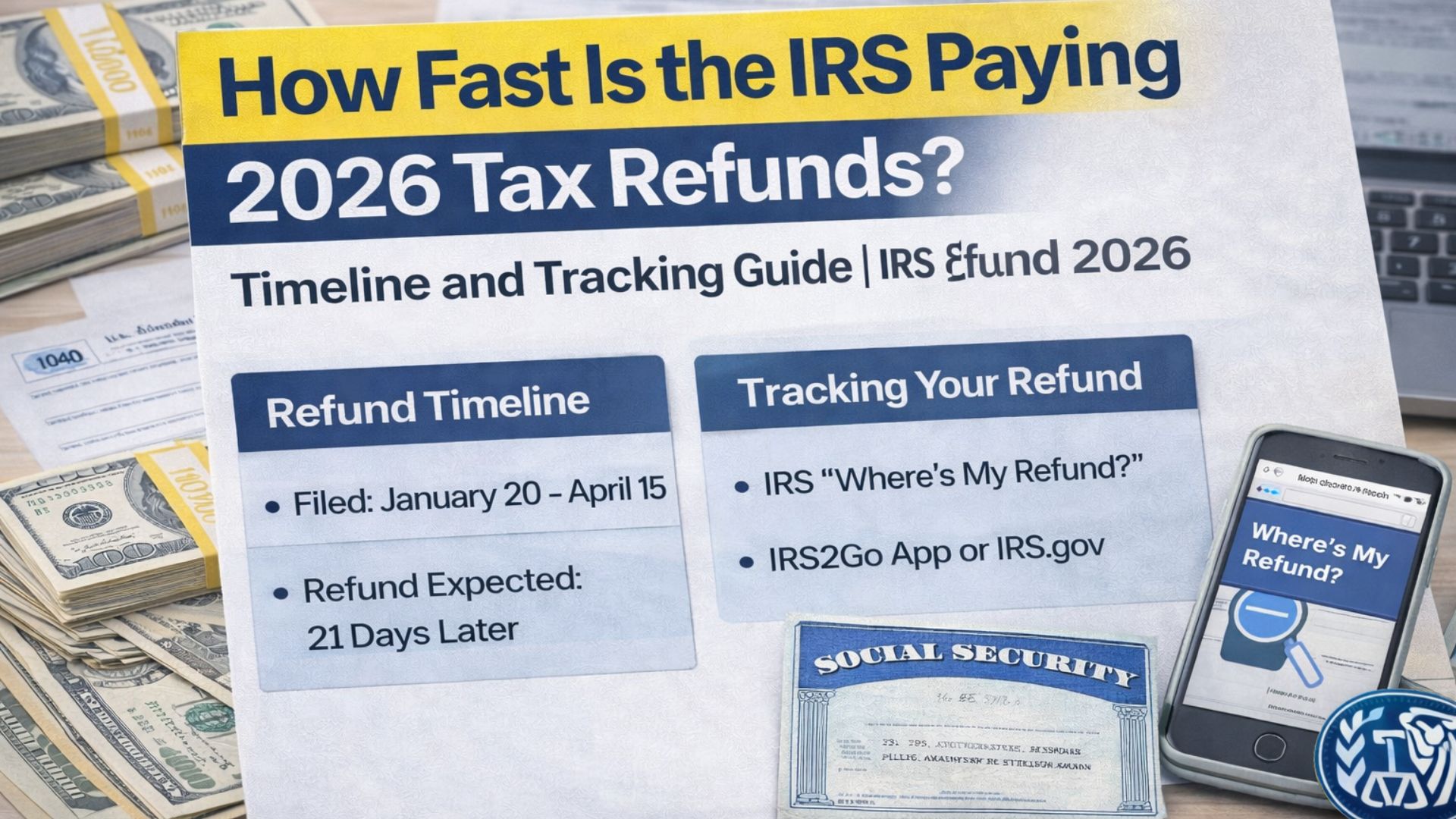
The IRS usually begins accepting tax returns in the final week of January. Most electronic returns with direct deposit are processed within 10 to 21 days after acceptance, as long as there are no errors or extra reviews required. Paper returns typically take longer to process.

Disclaimer: This article is for informational purposes only and does not provide legal, financial, or tax advice. Refund amounts and processing times depend on individual tax returns and official IRS rules. For accurate and updated information, consult IRS.gov or speak with a qualified tax professional.