As the 2026 tax season approaches, many Americans are getting ready to file their federal income tax returns. For millions of families, a tax refund is an important part of their yearly financial plan. It can help cover rent, pay down debt, manage school costs, or strengthen emergency savings. Because refunds are often expected and budgeted for, knowing how the Internal Revenue Service handles the process can reduce stress and prevent misunderstandings.
When the Filing Season Begins
The IRS typically opens the federal tax filing system in the final week of January. The official start date is usually announced shortly before the season begins. Once the system is active, taxpayers who have received all necessary forms, such as W-2 wage statements or 1099 income reports, can submit their returns.
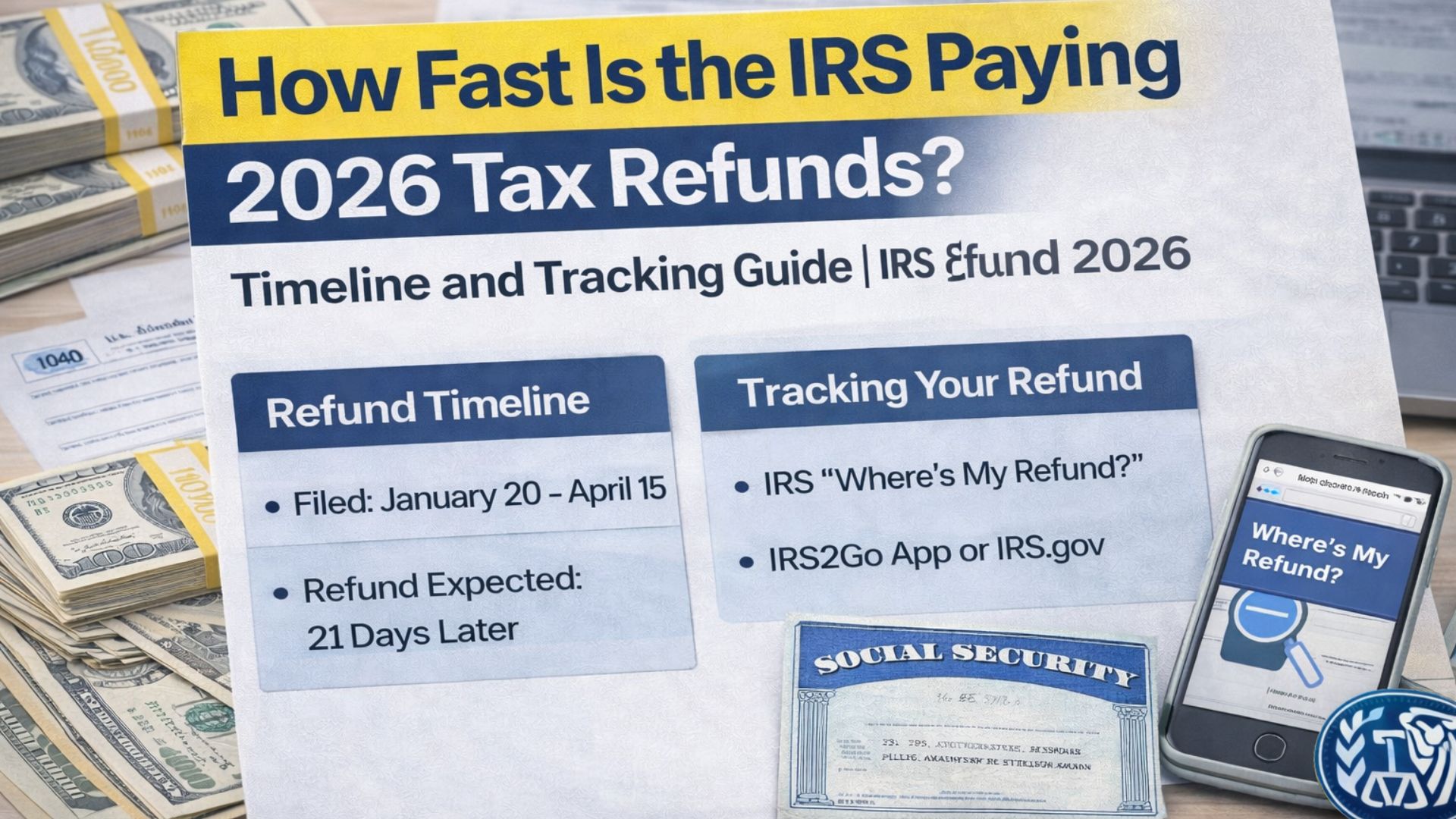
Electronic filing remains the fastest way to send a return. When taxpayers file online and choose direct deposit, refunds are commonly issued within about three weeks after the IRS accepts the return. Paper filings take longer because they require manual processing. During peak periods, mailed returns may take six to eight weeks or even longer.

How Refunds Are Calculated
A tax refund happens when the total amount of tax paid during the year is more than what is actually owed. This difference may result from payroll withholding, tax deductions, or eligible credits. Adjustments to tax brackets and standard deductions are made annually to reflect inflation, which may slightly change refund amounts in 2026.
Certain credits can increase refunds significantly. The Earned Income Tax Credit and the Child Tax Credit provide extra financial support to eligible families. However, returns claiming these credits may face additional review requirements.
Possible Refund Delays
Federal law requires the IRS to hold some refunds until mid-February, especially those connected to specific refundable credits. Even early filers may not receive these refunds before the legal hold period ends.

Processing can also slow down if there are errors in the return. Incorrect Social Security numbers, mismatched income details, missing documents, or wrong bank account information may cause delays. Sometimes the IRS requests identity verification, which can add extra time. A delay does not automatically mean a serious problem exists.
Tracking Your Refund
The IRS provides an online tracking tool called “Where’s My Refund?” This service allows taxpayers to check the status of their return. Updates usually appear within 24 hours for electronic filings and within several weeks for paper returns. The tool displays whether the return has been received, approved, or sent.
Filing electronically, choosing direct deposit, and reviewing all information carefully are the best ways to avoid unnecessary delays. Accuracy is more important than filing quickly.

Disclaimer: This article is for informational purposes only and does not provide legal, tax, or financial advice. Refund amounts and timelines depend on individual tax situations and official IRS procedures. Always consult official IRS resources or a qualified tax professional for guidance related to your specific circumstances.