The 2026 tax season has officially started, and many Americans are preparing to file their returns. For many households, a tax refund is more than extra money. It often helps pay rent, clear overdue bills, reduce credit card balances, manage medical expenses, or rebuild savings after the holiday season. Because refunds play such an important role in family budgets, people naturally want to know when their money will arrive.
How the IRS Processes Refunds
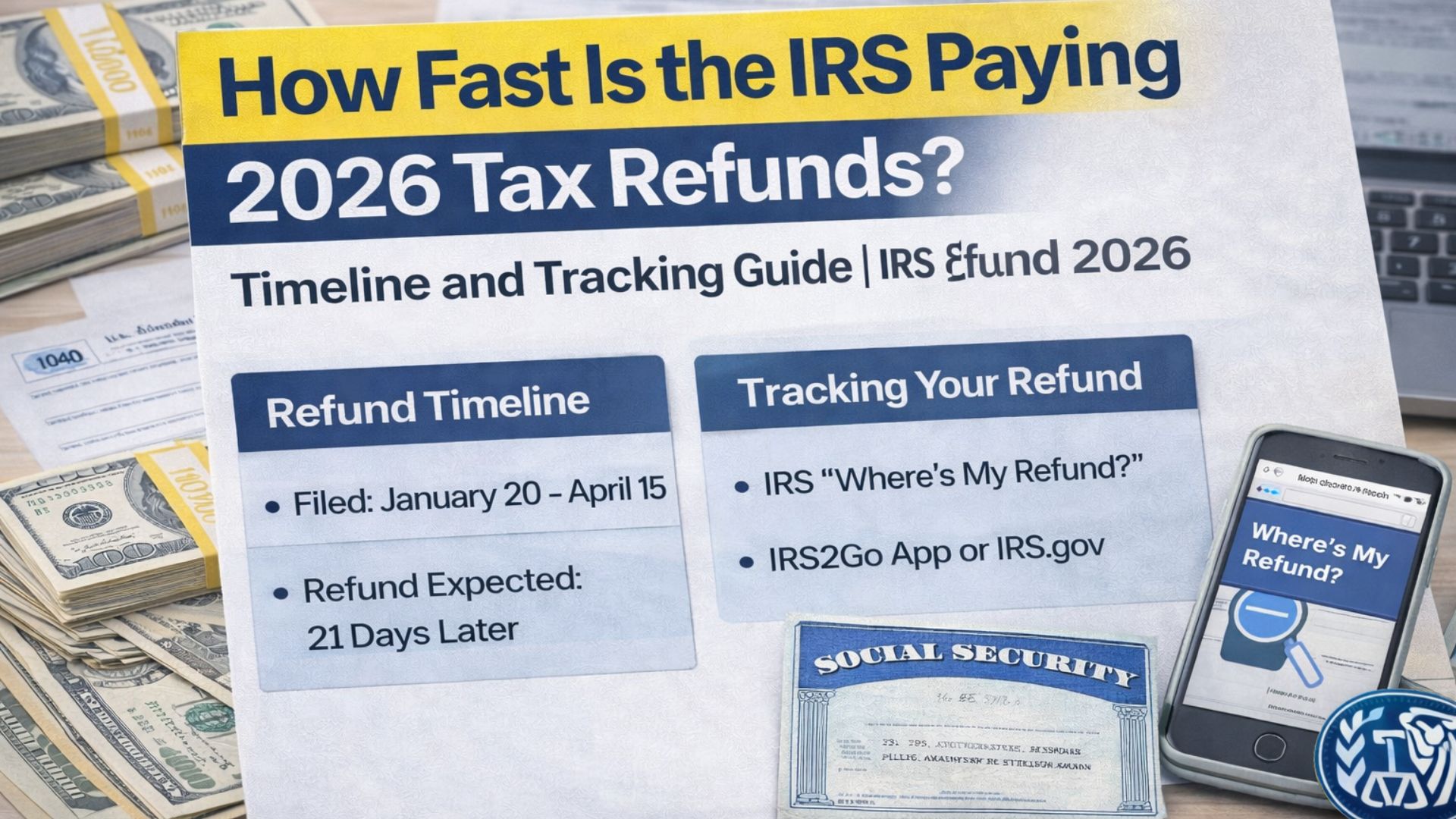
There is no single national refund date for everyone. Each tax return is reviewed and processed separately. The Internal Revenue Service began accepting tax returns in late January 2026. Once a return is submitted and accepted, it enters the IRS processing system. For most simple returns that are filed electronically and contain accurate information, refunds are generally issued within about twenty-one days. However, this timeframe is only an estimate and not a guaranteed deadline.
When a return is accepted, the IRS checks the reported income against information provided by employers and financial institutions. It also reviews deductions and credits claimed on the return. If everything matches and no issues are found, the refund moves forward smoothly. If any errors or mismatched details appear, the return may require additional review, which can delay the refund.

Filing Method and Payment Options Matter
The method used to file taxes plays a major role in how quickly a refund is received. Electronic filing is much faster because the information goes directly into IRS systems. Paper returns take longer since they must be mailed, opened, and manually processed. During busy periods, paper filings are more likely to face delays.
Choosing direct deposit is also important. Direct deposit allows the refund to be transferred electronically into a bank account, usually within a few days after approval. Paper checks require printing and mailing, which adds extra time and may be affected by postal delays or address errors.
Special Delays and Tracking Tools
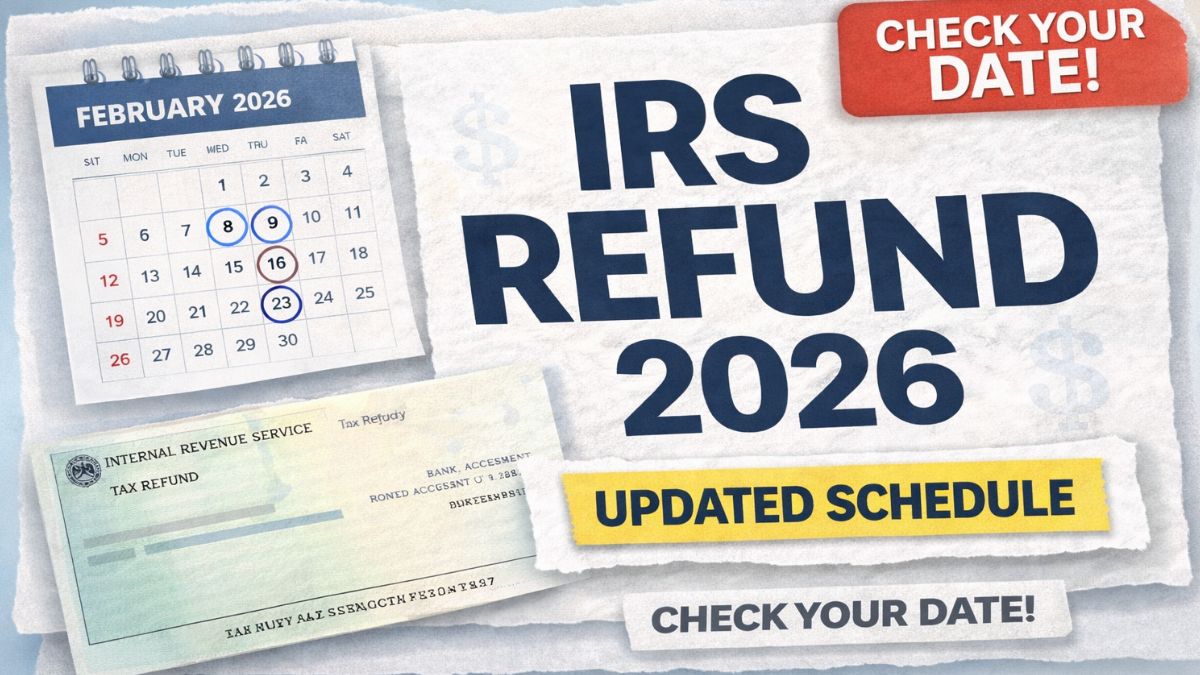
Some refunds that include certain refundable tax credits are legally required to be held until mid-February. This rule helps reduce fraud and confirm eligibility. While it may extend waiting time, it is a standard part of IRS procedures.

Taxpayers can monitor their refund status using the official IRS online tracking tool. This tool shows whether the return has been received, approved, or sent. Filing early, reviewing information carefully, and selecting electronic options can improve the chances of faster payment.
Disclaimer: This article is for informational purposes only and does not provide tax, legal, or financial advice. Refund timing and eligibility depend on individual tax situations and official IRS regulations. For accurate and personalized guidance, consult official IRS resources or a qualified tax professional.