Tax season has begun, and many Americans are waiting for one important event: their tax refund. For people who filed early in 2026, February is usually the month when the first wave of refunds arrives. While some taxpayers may receive their money quickly, others might experience delays due to extra checks or required reviews. Understanding how the February refund timeline works can make the waiting period less stressful.
When Refund Processing Begins
The Internal Revenue Service started accepting tax returns in late January 2026. Once returns were accepted, they entered the IRS processing system in batches. A return is not officially processed until it is accepted. Acceptance simply means the IRS has received the return and it passed initial technical checks.
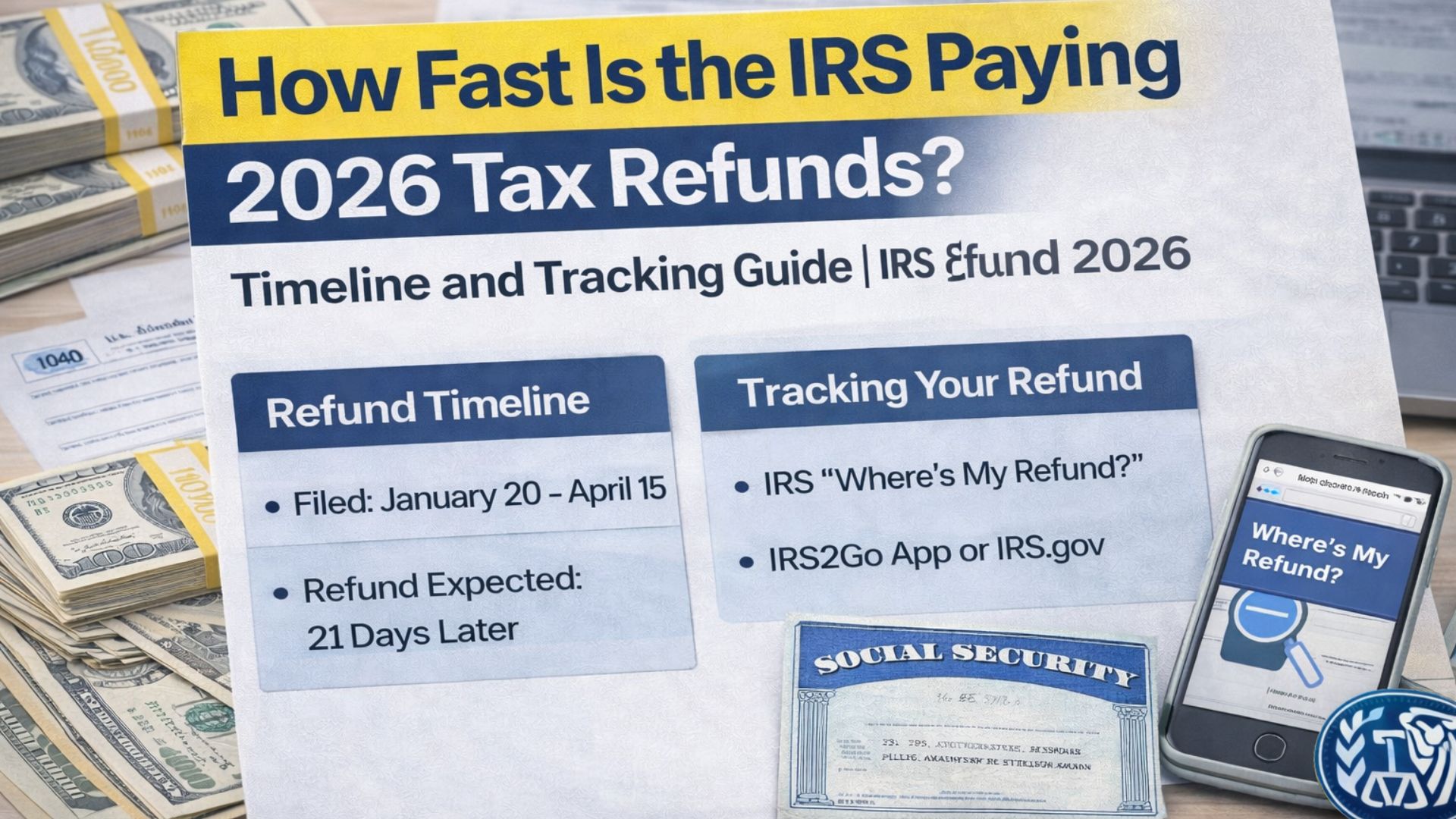
The IRS often mentions a 21-day guideline for issuing refunds. However, this is an estimate rather than a guarantee. Some taxpayers with simple returns may receive their refunds in as little as 7 to 14 days. Others may wait longer depending on their specific situation.

How Filing Method Affects Timing
The way a tax return is submitted plays a major role in refund speed. Electronic filing combined with direct deposit is the fastest option. Once approved, refunds are sent directly to the taxpayer’s bank account, often appearing within one to three business days.
Paper returns take longer because they must be opened, entered manually, and reviewed. Taxpayers who request paper checks also face additional mailing time after approval.
Early filers who submitted electronic returns during the first week of the season may see refunds in early or mid-February. Those who filed later in January often receive payments in the second or third week of February. Returns filed in early February may result in refunds near the end of the month.

Reasons Refunds May Be Delayed
Some refunds are delayed every year. The IRS now uses expanded fraud prevention screening, which means more returns are checked automatically before approval. Even small differences in reported income or personal details can temporarily pause processing.
Returns claiming certain refundable credits must be held until mid-February by law. Identity verification requests can also delay refunds if the taxpayer needs to confirm information.
Taxpayers can track their refund through the official IRS online tool, which shows whether the return is received, approved, or sent.

Disclaimer: This article is for informational purposes only and does not provide tax, legal, or financial advice. IRS refund schedules and processing times vary based on individual tax situations and official rules. For accurate information about your refund, consult the IRS website or a qualified tax professional.