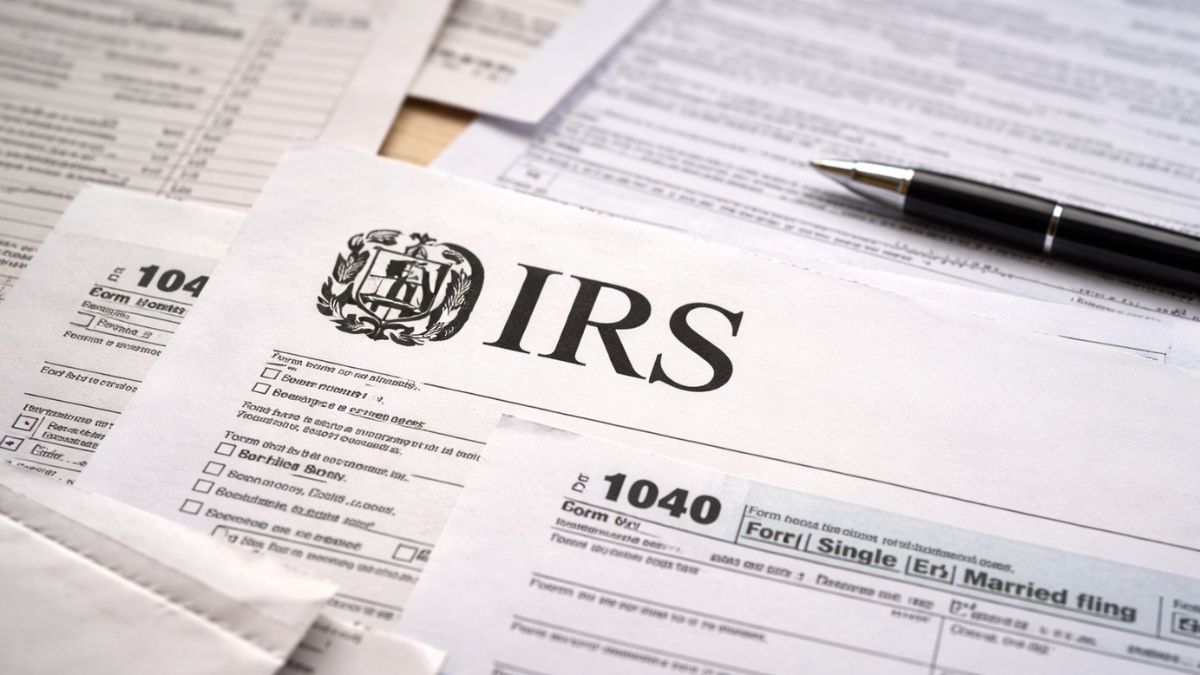
The Internal Revenue Service has officially announced that income tax refunds for the 2026 tax season will begin going out in February. This update brings reassurance to millions of Americans who depend on their refunds to manage everyday expenses. For many families, a refund is used to pay rent or mortgage bills, clear credit card balances, cover medical costs, or rebuild savings after a challenging year. Knowing that refunds are starting soon allows households to plan their finances with greater confidence.
When Refunds Will Arrive
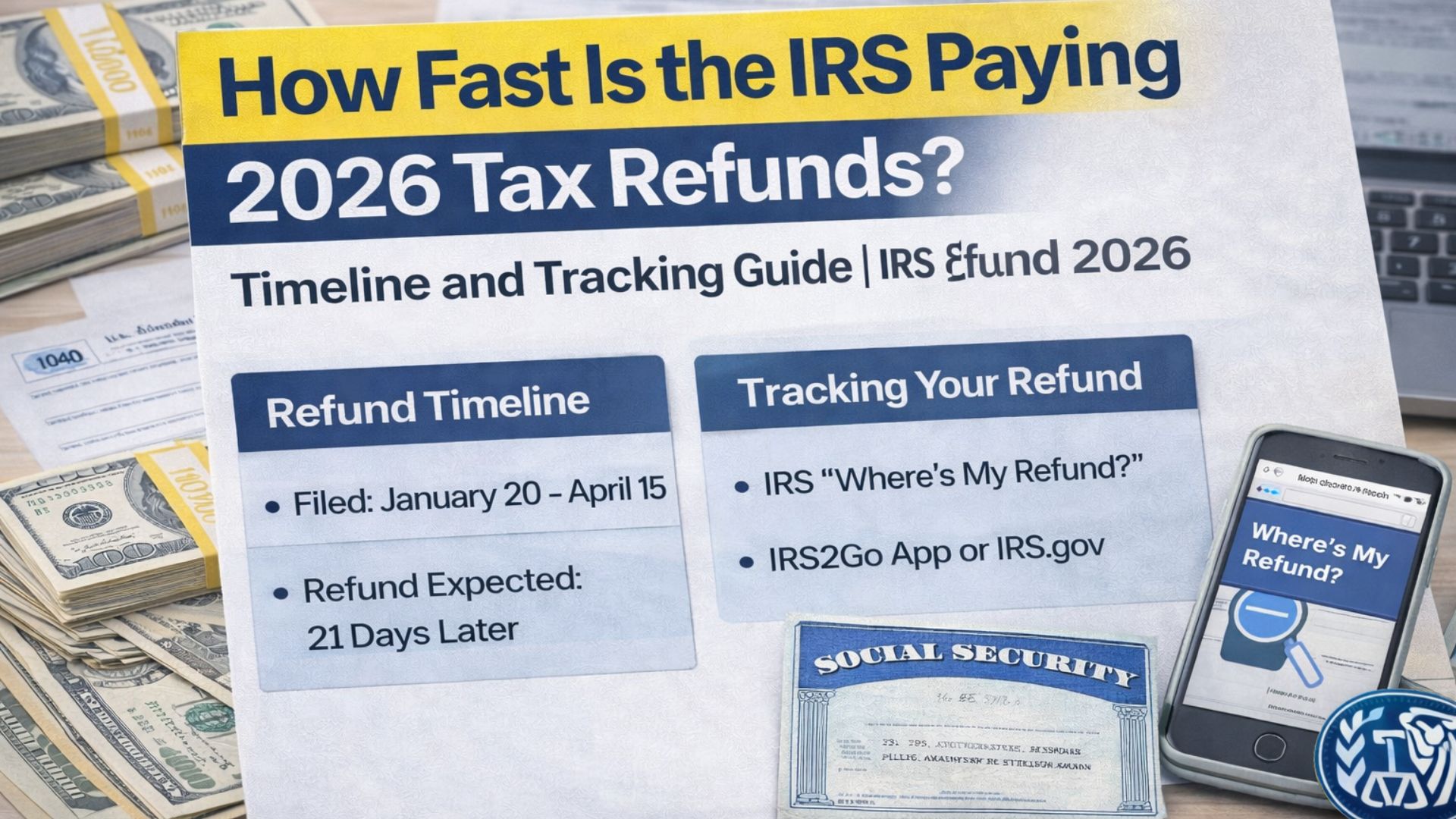
Refund processing is already underway, and payments will continue throughout February. Taxpayers who filed their returns early and selected direct deposit are expected to receive their money the fastest. In most simple cases, electronic filers may see their refund within 10 to 21 days after their return has been accepted. This timeframe remains the standard for straightforward returns without complications.

Early filing plays an important role in faster refunds. Those who submitted their tax returns as soon as the season opened are generally ahead in the processing line. As long as the information is correct and complete, their refunds usually move smoothly through the system.
What Affects Refund Timing
The speed of a refund largely depends on how the return was filed and whether it contains errors. Electronic filing sends information directly into IRS systems, which helps reduce delays. Choosing direct deposit also saves time because it avoids mailing and paper check processing.

Paper-filed returns typically take longer. These returns must be reviewed and handled manually, which can extend the waiting period by several weeks. While electronic payments are strongly encouraged, paper checks are still issued when necessary.
Certain situations can cause delays. Missing income documents, incorrect personal details, or simple math mistakes may trigger additional review. Identity protection checks can also slow processing, as the IRS works to prevent fraud. Some tax credits require extra verification, which may add a short delay before the refund is approved.
How to Track Your Refund

Taxpayers can monitor their refund status using official IRS tracking tools. Updates are usually available within 24 hours after an electronic return is accepted. To check the status, individuals typically need their Social Security number, filing status, and expected refund amount. These tools help reduce uncertainty by clearly showing whether a refund is processing, approved, or scheduled for payment.
Disclaimer
This article is for informational purposes only and does not provide tax, legal, or financial advice. IRS refund schedules and processing times may change, and actual refund timing depends on individual tax circumstances. Readers should consult official IRS resources or a qualified tax professional for advice specific to their situation.
यह भी पढ़े:
 IRS Tax Refund 2026: What to Expect