The Internal Revenue Service has confirmed that income tax refunds for the 2026 filing season will begin arriving in February. This update offers clarity for millions of Americans who depend on their refunds to manage essential expenses, reduce debt, or strengthen savings after a costly year. With processing already underway, eligible taxpayers can expect payments to start appearing throughout the month.
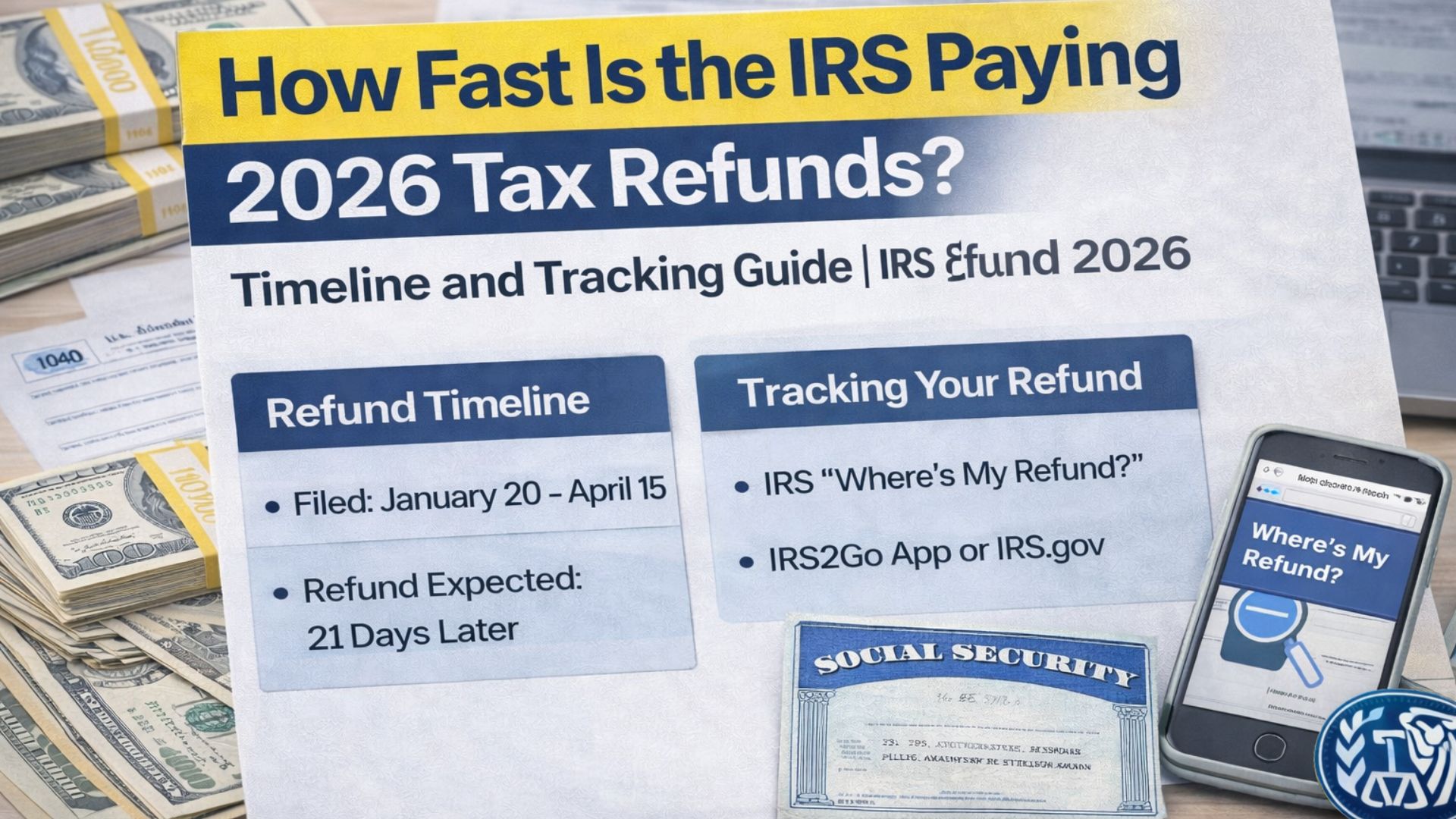
Refund timing largely depends on how and when a return is filed. Taxpayers who submitted their returns electronically and selected direct deposit are expected to receive their refunds first. In many cases, electronic filers may see their money within 10 to 21 days after the IRS accepts the return. Those who mailed paper returns may need to wait longer because manual review and postal delivery take additional time.
Accuracy plays a major role in how quickly refunds are issued. Returns that contain complete information and no calculation errors typically move through the system faster. Filing early also places a return earlier in the processing line, which can shorten the wait for payment. Choosing direct deposit instead of a paper check helps avoid mailing delays and speeds up access to funds.

Although many refunds will arrive promptly, some returns may require additional review. Delays can occur if there are incorrect personal details, mismatched income records, missing documents, or identity verification checks. Certain tax credits require extra confirmation steps to prevent fraud, which may extend processing times. These safeguards are designed to protect taxpayers and ensure that refund amounts are accurate.
Taxpayers can track their refund status through official IRS online tools. Updates generally appear within 24 hours after an electronic return is accepted. To check the status, individuals need their Social Security number, filing status, and the exact refund amount listed on their return. Monitoring progress through official channels helps reduce uncertainty while waiting.
For many households, February refunds are an important part of annual budgeting. Refund money is often used to pay rent, manage medical bills, reduce credit card balances, or build emergency funds. Knowing that payments are officially beginning in February allows families to plan ahead with greater confidence.

The IRS has continued improving its digital systems to process returns more efficiently. These updates aim to shorten wait times, reduce errors, and make the filing season smoother overall. Taxpayers who file electronically, verify their information carefully, and choose direct deposit are most likely to receive refunds without delays.
Disclaimer: This article is for informational purposes only and does not provide tax, legal, or financial advice. Refund timing and eligibility depend on individual tax situations and official IRS guidelines. For personalized guidance, consult the IRS website or a qualified tax professional.