Tax season in 2026 is progressing steadily, and many Americans are waiting for their federal refunds to arrive. For households that rely on this money for bills, savings, or debt payments, understanding how the refund system works can reduce uncertainty. Although many refunds are processed without issues, the timing can vary depending on several important factors.
When Refund Processing Begins
The Internal Revenue Service typically starts accepting federal tax returns toward the end of February. Once a return is submitted electronically and officially accepted by the system, processing begins. The acceptance date is important because the refund timeline is counted from that point, not from the day the return was sent. Electronic filing allows information to enter IRS systems immediately, while paper returns must be opened and manually reviewed, which takes longer.

Estimated Timeline for Electronic Filers
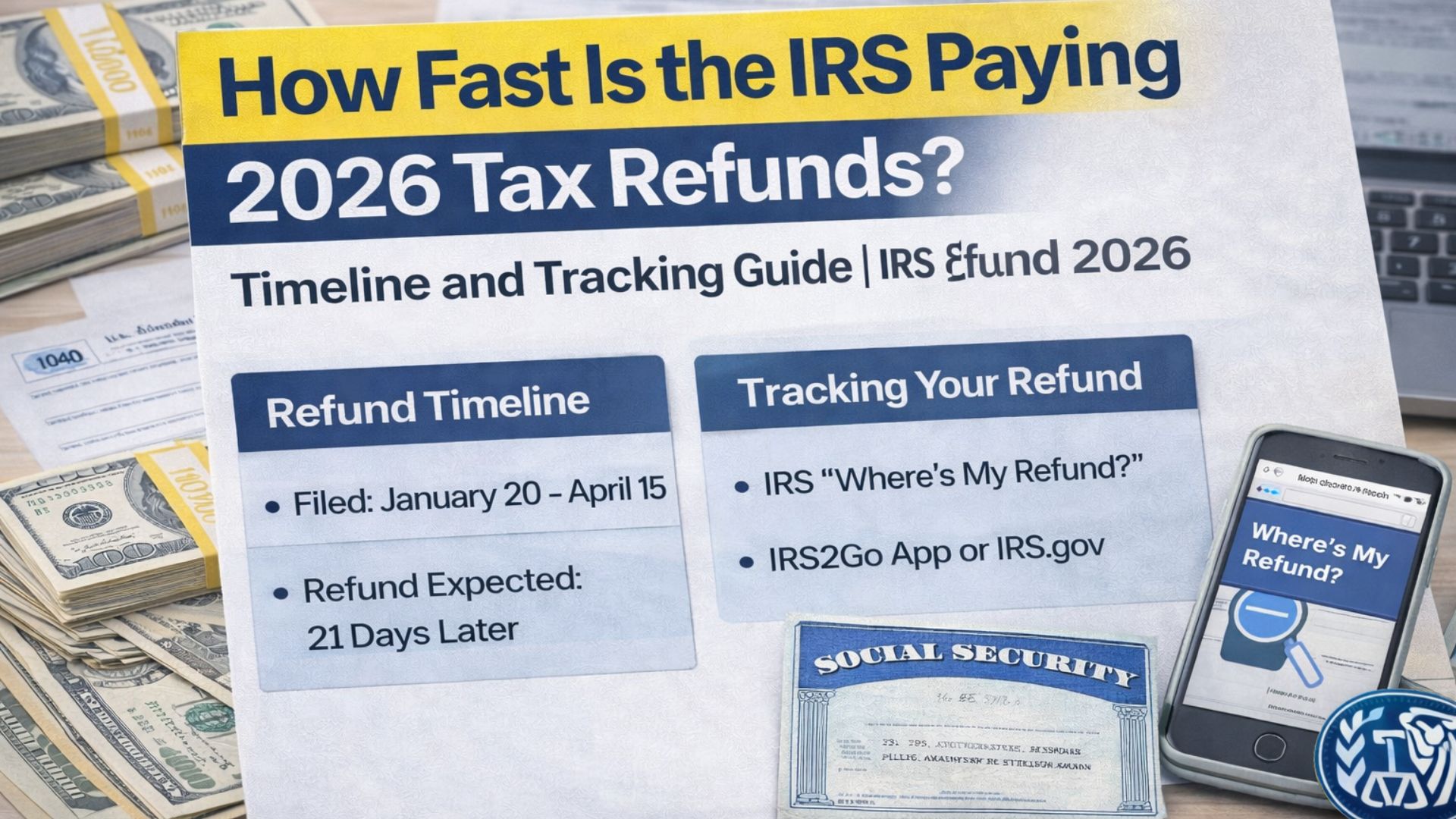
For most taxpayers who choose electronic filing and direct deposit, refunds are commonly issued within about twenty one days after acceptance. Returns accepted in late February may lead to deposits arriving by mid or late March. Returns filed and accepted in early March usually follow a similar three week pattern. These estimates apply to returns that contain accurate information and do not require additional verification.
Why Some Refunds Take Longer

Not every return moves through processing at the same speed. Certain refunds are delayed when the IRS needs to review income details, confirm identity, or verify eligibility for refundable tax credits. Errors such as incorrect Social Security numbers or mismatched wage information can also slow approval. In 2026, fraud prevention systems remain strict, meaning some refunds may undergo extra checks before release.
Direct Deposit Versus Paper Checks
The method selected for receiving the refund plays a major role in timing. Direct deposit remains the fastest option because funds are sent electronically to a bank account. Once approved, deposits usually appear within a few business days. Paper checks take more time since they must be printed and mailed. Postal delivery times can vary, which adds another layer of delay.
यह भी पढ़े:
 IRS Tax Refund 2026: What to Expect
Tracking Your Refund Status
Taxpayers can monitor progress through the official IRS online tracking tool. For electronic filers, updates often appear within twenty four hours after acceptance. If more than three weeks pass without an update, the return may be under review. Responding promptly to any IRS request for additional information helps avoid further delays.
The 2026 refund schedule shows that accurate electronic filing combined with direct deposit offers the quickest path to payment. While many refunds are processed within three weeks, patience is sometimes necessary when verification steps are involved. Planning ahead and checking official updates can make tax season smoother and less stressful.

Disclaimer: This article is provided for informational purposes only and does not constitute tax, financial, or legal advice. Refund amounts and processing times depend on individual tax situations and official IRS procedures. For guidance specific to your case, consult the Internal Revenue Service or a qualified tax professional.