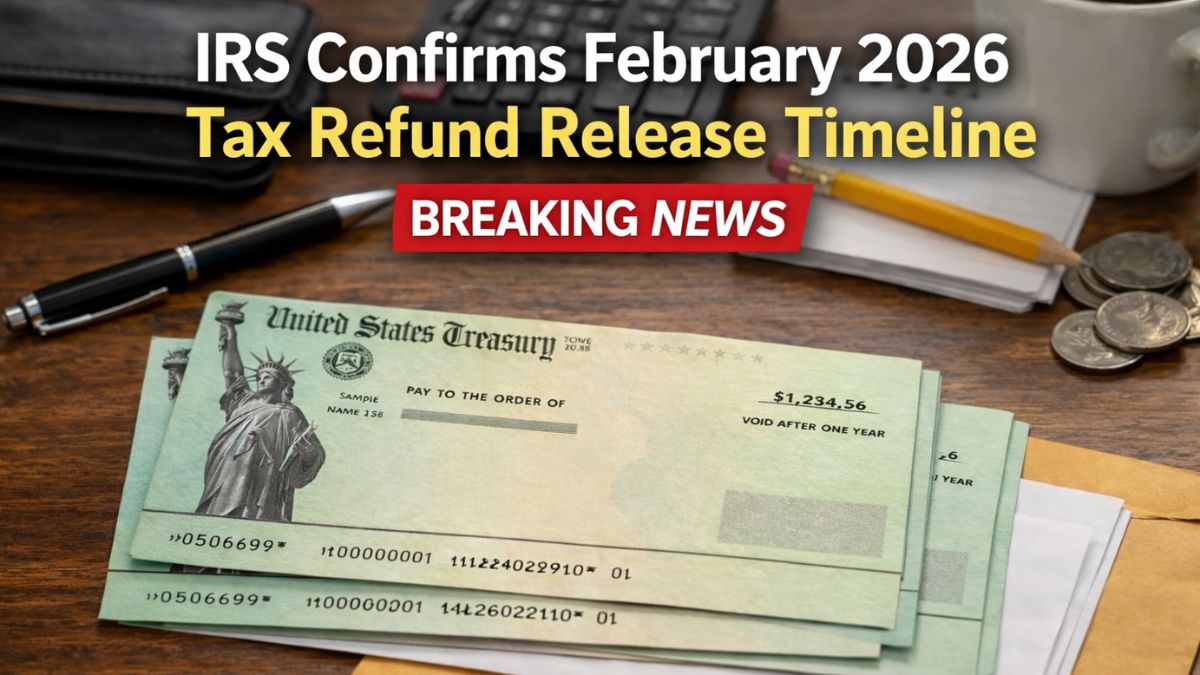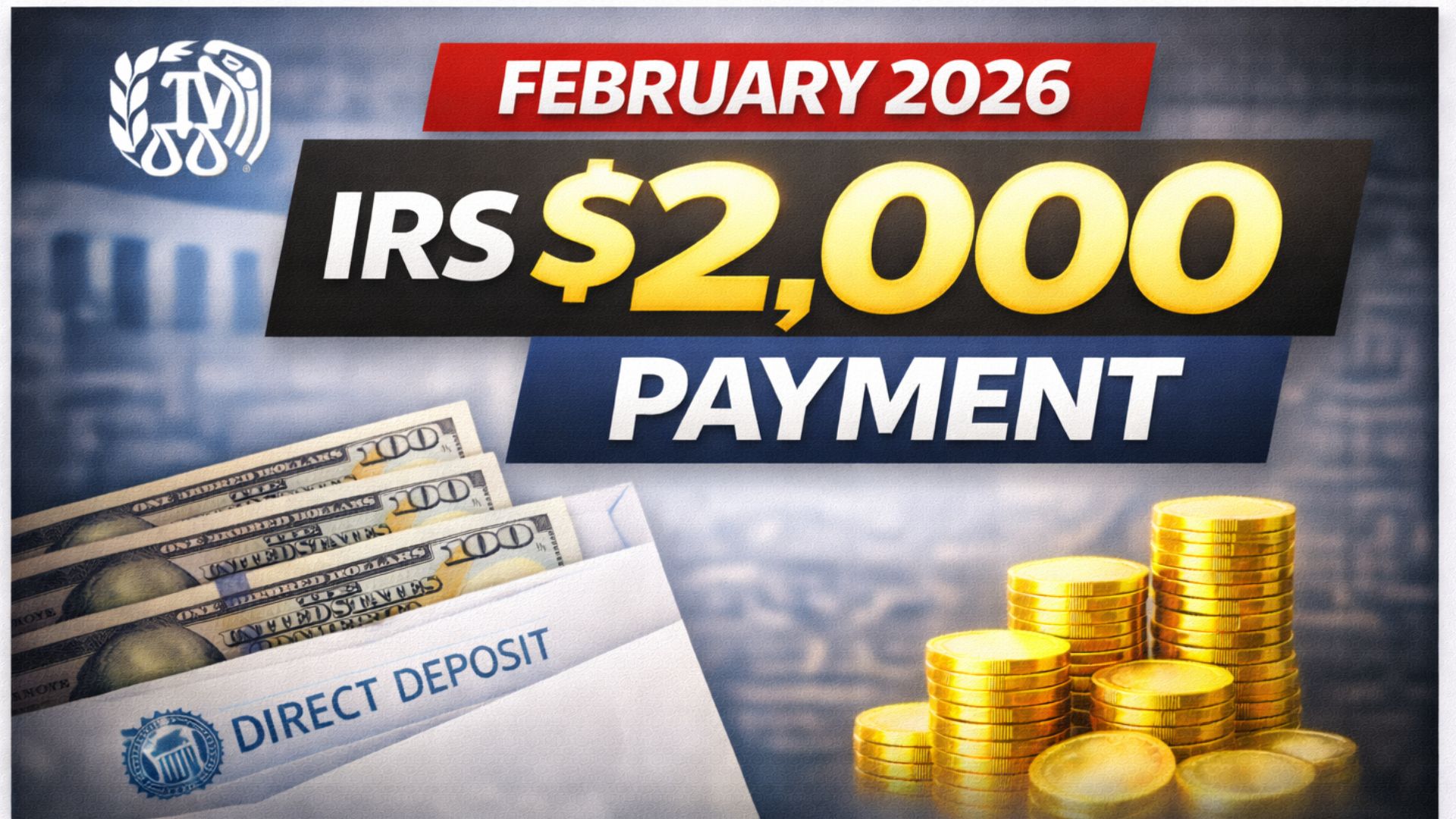
News about a possible $2,000 federal payment in February 2026 has raised many questions across the country. Some people believe the payment is automatic, while others are unsure whether they qualify. The truth is that there is no universal payout sent to every citizen. Any deposit close to $2,000 is usually connected to tax refunds, refundable tax credits, or approved benefit adjustments.
There is no nationwide program that automatically sends $2,000 to all Americans without conditions. Payments of this amount are typically linked to federal income tax refunds for the 2025 tax year, Child Tax Credit claims, Earned Income Tax Credit refunds, Social Security back payments, or corrected federal benefit calculations. The exact amount depends on each person’s income, tax withholding, dependents, and benefit eligibility. Some individuals may receive more than $2,000, some less, and others nothing at all.
For taxpayers, eligibility begins with filing an accurate and complete federal tax return. Refund totals are based on income earned, taxes already paid, and credits claimed. Refundable credits have income limits, and exceeding those limits may reduce or remove eligibility. For Social Security or disability-related payments, eligibility depends on approved claims, retroactive benefits, or cost-of-living adjustments. Each case is reviewed individually using official records.

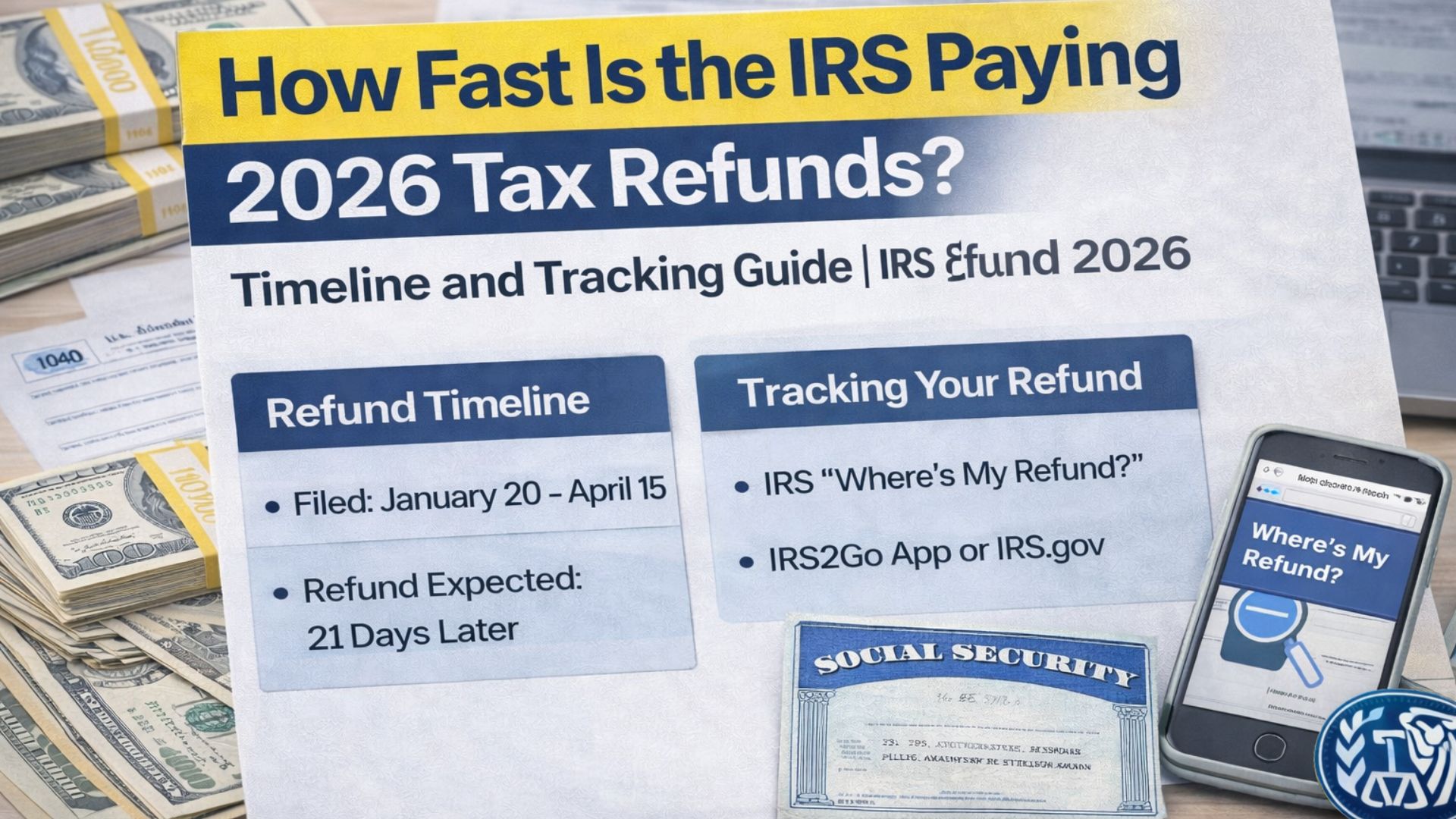
If the payment is tied to a tax refund, processing usually begins once tax season opens in late January. Most electronic filers who choose direct deposit receive refunds within about 21 days. Returns filed at the end of January may result in deposits by mid-February. Early February filings may be paid by late February, while mid-February submissions could extend into early March. Returns claiming certain credits may face additional verification delays.
Direct deposit remains the fastest and safest way to receive funds. Filing electronically, double-checking bank account details, and ensuring personal information matches official records can prevent delays. Errors, identity verification reviews, or amended returns often slow processing.
Beneficiaries should rely only on official federal websites and tracking tools to confirm payment status. Viral headlines and unofficial posts can create unrealistic expectations. Planning expenses only after confirmation of an approved deposit is a responsible financial approach.

A $2,000 payment, if received, can provide helpful support for bills, debt, or essential needs. However, understanding eligibility rules is key to avoiding confusion.
Disclaimer: This article is for general informational purposes only. Payment amounts, eligibility requirements, and timelines depend on official federal agency decisions and individual circumstances. Readers should verify details through official government sources.