For many Americans, a tax refund is an important part of their yearly financial plan. Some families use it to pay rent, reduce debt, cover medical bills, or build savings. Because of this, understanding how the IRS tax refund process works in 2026 can help reduce worry and confusion. Knowing what happens after you file your return, how long refunds usually take, and how to track your payment makes the tax season easier to manage.
How the IRS Reviews Tax Returns
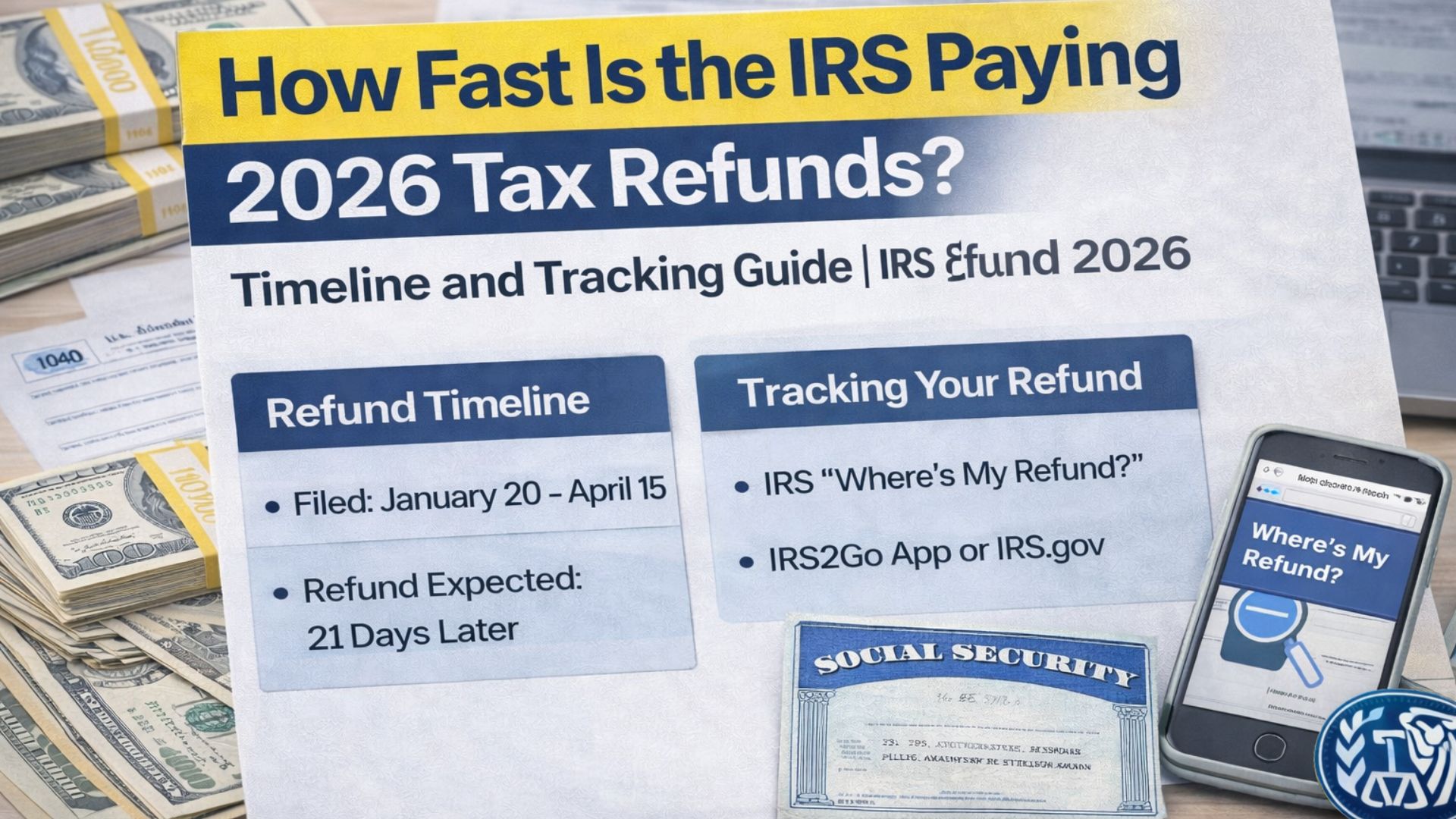
After a tax return is submitted, the Internal Revenue Service begins checking it for accuracy. Returns filed electronically move through automated systems, which makes the process faster. In many cases, electronic returns are completed within about 21 to 30 days, as long as there are no mistakes or special reviews required. Paper returns take longer because they must be opened, entered into the system, and reviewed by hand. This manual process can add several extra weeks before a refund is approved.
Factors That Can Affect Refund Timing
Refund dates are not the same for everyone. Several issues can slow down processing. If the IRS needs to confirm your identity, review your income information, or examine certain tax credits, your return may require extra time. Refunds that include credits such as the Earned Income Tax Credit or the Child Tax Credit often receive additional checks to prevent fraud. Filing early and carefully reviewing your information before submission can help avoid unnecessary delays.

How Refund Amounts Are Calculated
The size of your refund depends on how much tax you paid during the year compared to how much you actually owed. Money withheld from your paycheck, income reported on tax forms, and any deductions or credits you qualify for all affect the final result. Tax credits can increase a refund when claimed correctly. Accurate reporting is important because errors may lead to adjustments or longer processing times.
Tracking Your Refund Status
The IRS provides online tools that allow taxpayers to monitor their refund progress. By entering your Social Security number, filing status, and expected refund amount, you can see whether your return has been received, approved, or sent. These tools also alert you if additional information is required. Checking your status online is usually the fastest way to stay informed.
Tips for a Smoother Process
Choosing electronic filing and direct deposit remains the quickest and safest option. Reviewing personal details and bank account numbers before submitting your return can prevent common mistakes. If the IRS requests more information, responding quickly helps keep the process moving.

The IRS tax refund process for 2026 follows a structured system designed to balance speed with security. Understanding how it works allows taxpayers to plan their finances with greater confidence during tax season.
Disclaimer: This article is provided for general informational purposes only. IRS refund timelines, rules, and payment details may change and depend on individual circumstances. Always consult official IRS resources or a qualified tax professional for accurate and updated guidance.