As the 2026 tax season approaches, many Americans are thinking about one key question: when will their IRS tax refund arrive? For many families, a refund is not extra spending money. It often helps cover rent, grocery bills, winter heating costs, medical expenses, or credit card payments. Understanding how the refund process works can make it easier to plan ahead and reduce financial pressure.
How the IRS Processes Tax Returns
Each tax return is reviewed separately by the Internal Revenue Service before any refund is approved. After a return is submitted, the IRS checks the income information, tax withholding, and any credits claimed. The agency compares these details with records provided by employers, banks, and other financial institutions. These checks are important because they help prevent fraud and confirm that the numbers reported are accurate. A refund is issued only after the return passes these review steps.
The IRS is expected to begin accepting 2025 tax returns in late January 2026. Although many taxpayers prepare their returns early, processing does not start until the IRS officially accepts the return. Filing early can help, but acceptance is what begins the review timeline.

How Long Refunds Usually Take
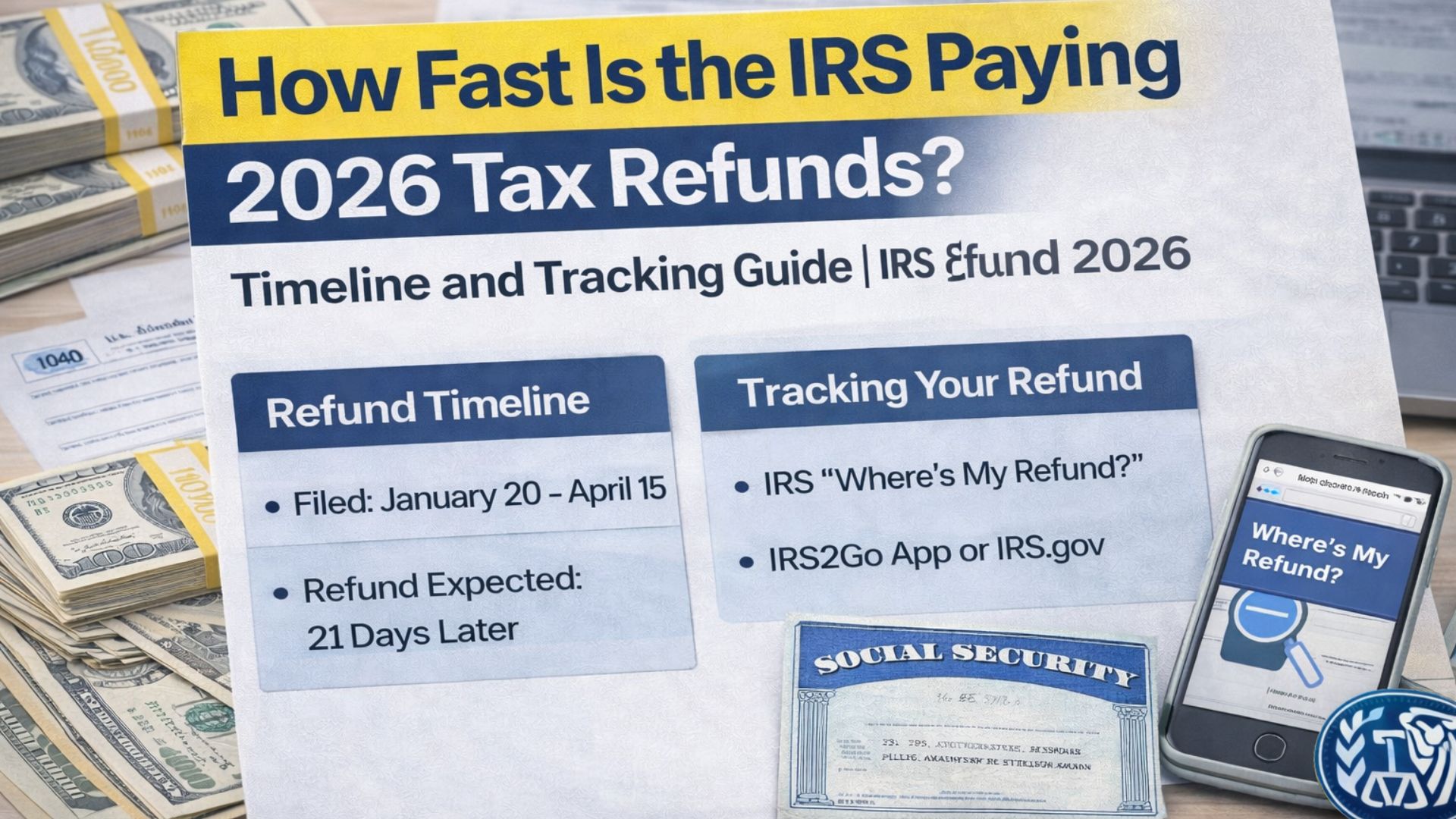
Many people refer to the “21-day rule,” but this is only an average estimate. It is not a guaranteed deadline. Taxpayers who file electronically and choose direct deposit generally receive refunds more quickly. Simple returns with no errors may be processed in as little as 10 to 14 days. However, more complex returns or those needing additional review may take longer.
Certain refunds are delayed by law. Returns that claim specific refundable credits must be held until mid-February. Even if filed early, these refunds are usually released in the second half of February, assuming there are no other problems.
Common Reasons for Refund Delays
Mistakes are one of the main causes of slower refunds. Incorrect bank account numbers, missing forms, mismatched income records, or wrong identification numbers can trigger manual review. Identity verification checks are also more common now and may extend processing time. Although these reviews can be frustrating, they are designed to protect taxpayers from fraud.

It is also important to remember that a refund simply represents taxes that were overpaid during the year. Changes in income, dependents, or withholding levels can affect the final amount.
Taxpayers can monitor their refund using official IRS online tools, which provide the most reliable status updates during tax season.
Disclaimer: This article is for informational purposes only and does not provide tax, legal, or financial advice. Refund timelines and amounts depend on individual tax situations and official IRS rules. Readers should consult the official IRS website or a qualified tax professional for guidance specific to their circumstances.