At the start of the 2026 tax filing season, the Internal Revenue Service has shared an important message for taxpayers. Even a small error on a tax return, especially in direct deposit details, can delay a refund for weeks. As millions of Americans prepare to file their returns, the IRS is urging everyone to check their information carefully before submitting.
Why Banking Errors Are Causing Delays
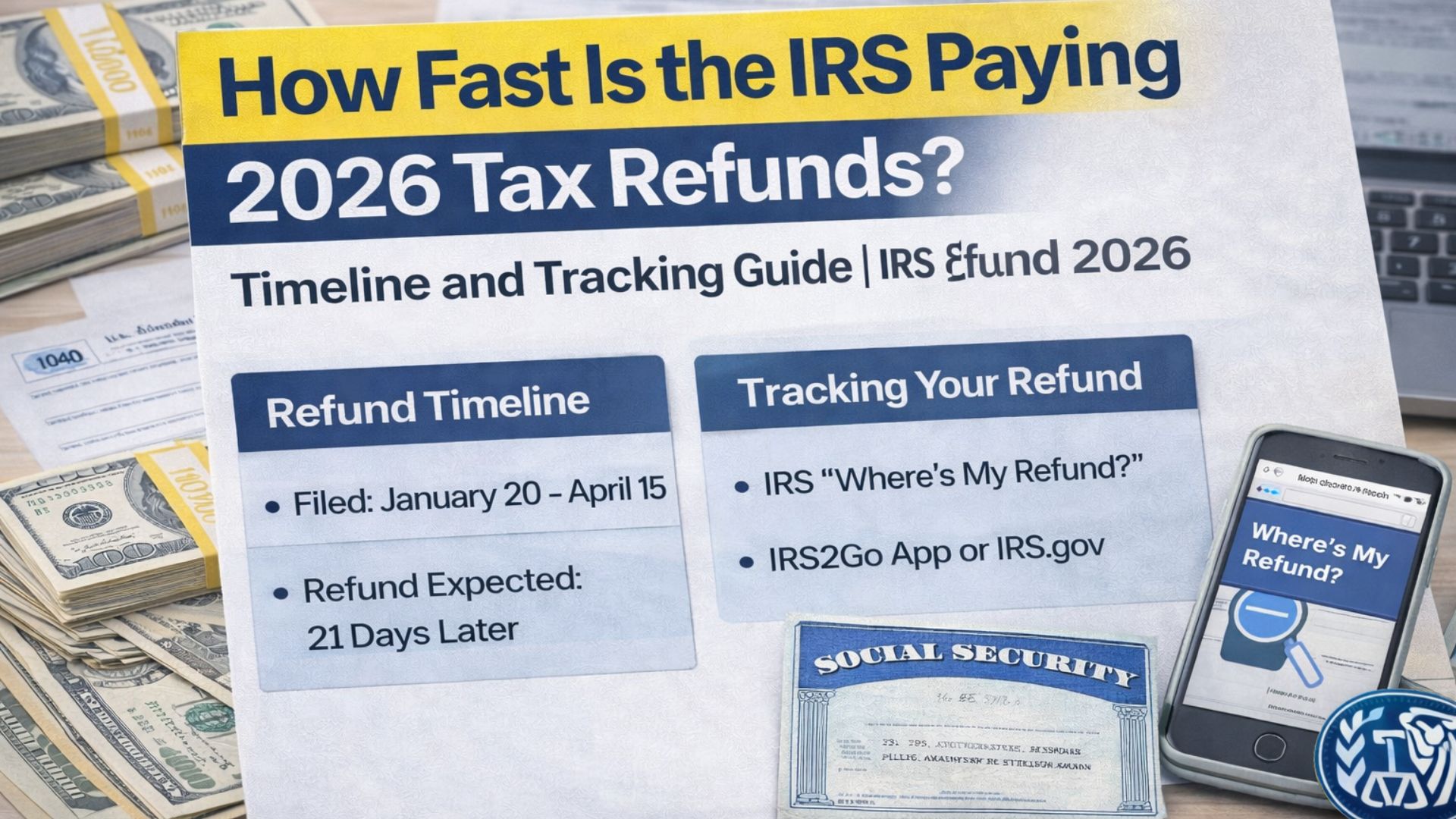
The IRS is continuing to move toward electronic payments and is reducing the use of paper checks. Most people who file electronically and enter correct bank information receive their refunds within about 21 days. Electronic filing allows returns to move quickly through IRS systems, and direct deposit helps avoid mailing delays.
However, if the routing number or bank account number is entered incorrectly, the payment may be rejected by the bank. When this happens, the refund does not automatically return to the taxpayer right away. Instead, it is placed on hold. Because the IRS now relies heavily on automated systems, these systems cannot fix banking errors without action from the taxpayer.

What Happens If Your Refund Is Put on Hold
If a refund cannot be delivered due to incorrect banking details, the IRS will send a notice explaining the issue. Taxpayers are generally given 30 days to correct the information through their IRS online account. If the update is completed within that period, the refund can be sent again electronically.
If the taxpayer does not respond within the required timeframe, the IRS may eventually issue a paper check instead. This process can take several additional weeks, making the overall wait much longer than the normal refund timeline. In some situations, the delay may extend well beyond the standard 21-day processing period.
Additional Pressure During the 2026 Season
The 2026 tax season is also affected by staffing reductions and updated tax regulations. With fewer employees handling returns and more complex tax rules in place, small mistakes may take longer to resolve. This makes accuracy even more important this year.

How to Prevent Refund Delays
The IRS recommends carefully reviewing all personal and banking details before filing. Taxpayers should confirm routing and account numbers directly from official bank statements instead of guessing or copying old information. Creating or logging into an IRS online account can also help monitor refund progress and respond quickly to any notices.
Filing electronically and choosing accurate direct deposit information remains the fastest and safest way to receive a tax refund.
Disclaimer: This article is for informational purposes only and does not provide legal, financial, or tax advice. IRS policies and refund timelines may change. Taxpayers should rely on official IRS communications or consult a qualified tax professional for advice specific to their situation.