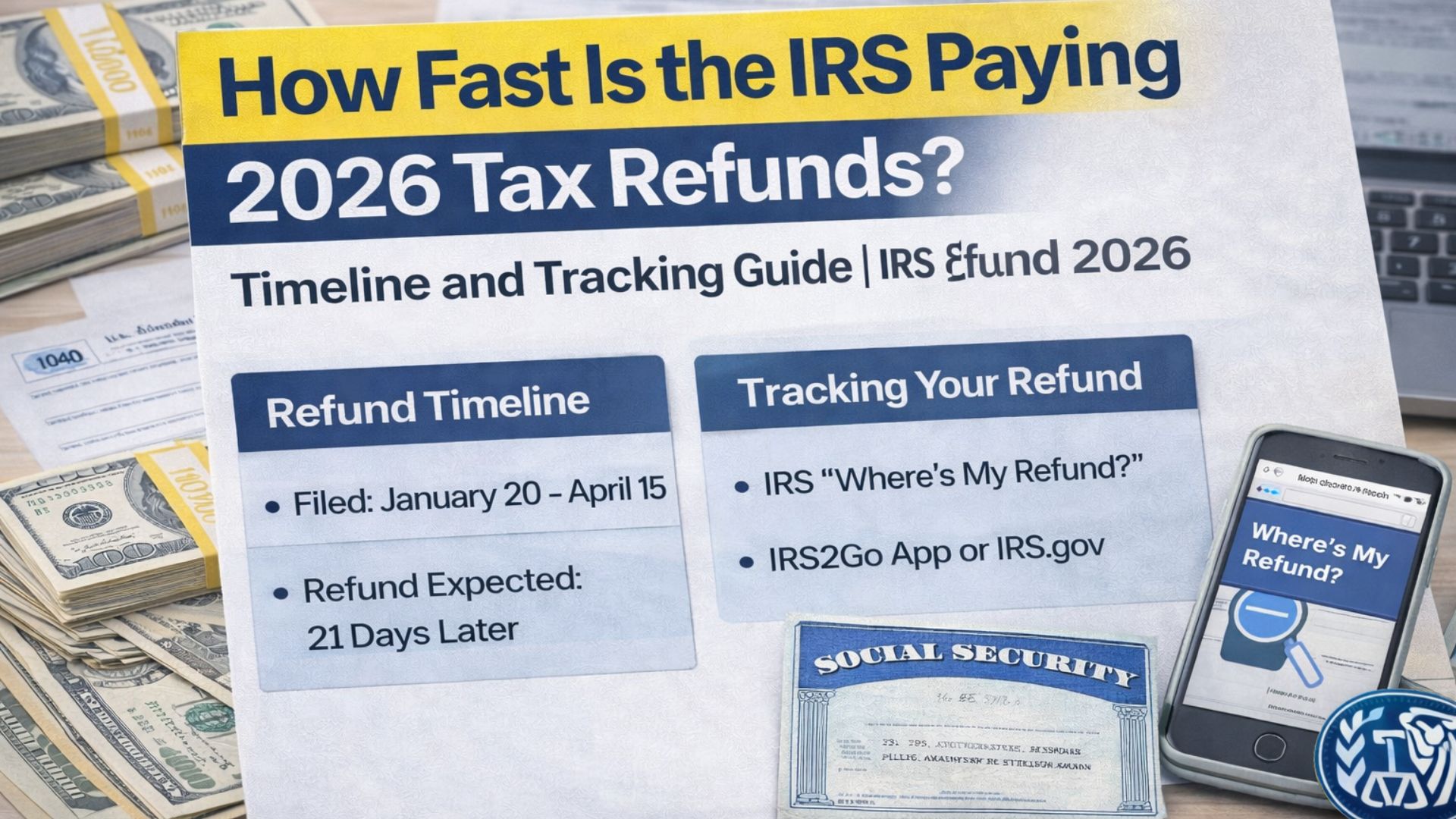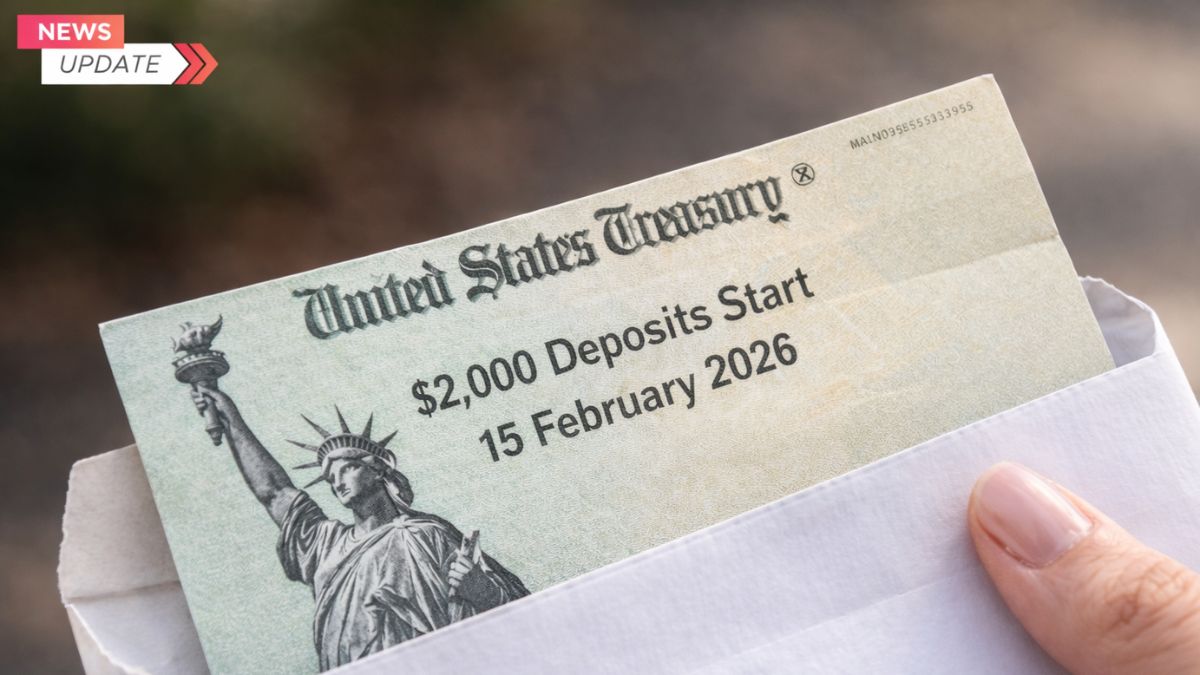
In early 2026, public attention has focused on a proposed $2,000 direct deposit program expected to begin on February 9, 2026. With the cost of rent, food, utilities, and healthcare still high, many families are looking for short-term financial support. The program is described as a targeted assistance effort designed to move funds quickly through a fully digital payment system.
The purpose of this initiative is to provide temporary financial relief using secure and modern processing tools. Unlike earlier programs that depended on mailed paper checks, this system relies completely on electronic transfers. Digital identity checks and automated approval systems are intended to reduce paperwork and speed up delivery. Eligible recipients would receive funds directly in their bank accounts once verification is complete.
Eligibility rules are tied to income levels, residency status, and compliance with federal guidelines. Income information would typically be verified through recent tax filings or other government records. Special priority is expected for seniors, individuals with disabilities, and low-income households to help ensure faster processing for those who may face greater financial challenges.

The rollout is structured in phases to keep distribution organized. Verification and bank detail updates are scheduled to open on February 1, 2026. Deposits are planned to begin on February 9 for those who complete verification early. February 15 is expected to be the final date to update banking details, and February 20 is listed as the last verification deadline. Missing these steps could delay payment.
All funds under this initiative are expected to be distributed through direct deposit only. Paper checks are not included in the current plan. Once eligibility is confirmed, the $2,000 amount would be transferred electronically to the bank account registered in the recipient’s name. Confirmation messages may follow once the deposit has been processed. Accurate banking information is critical to avoid delays.
To protect against fraud, the program includes safeguards. Each qualified individual or household would receive only one payment. Bank accounts must match verified identity records. Any attempt to submit false claims could result in disqualification or legal consequences.

Taking action early can improve the chances of receiving funds in the first wave. Reviewing personal records, updating banking information, and completing verification before deadlines may help ensure faster payment.
Disclaimer: This article is for informational purposes only and does not provide financial, legal, or tax advice. Program details, eligibility requirements, and payment timelines are subject to official government decisions and may change. Readers should rely on verified government sources for the most accurate and current information.